
Do you have trouble sleeping? Do you find yourself tossing and turning at night, struggling to get a good night’s sleep? If so, you’re not alone. Many people deal with sleep disturbances, but few consider a critical factor that could be at the root of the problem: cortisol. Known as the “stress hormone,” cortisol plays a vital role in regulating various functions in the body. When cortisol levels become imbalanced, it can disrupt your sleep and lead to broader health issues.

What is Cortisol and How Does It Affect Sleep?

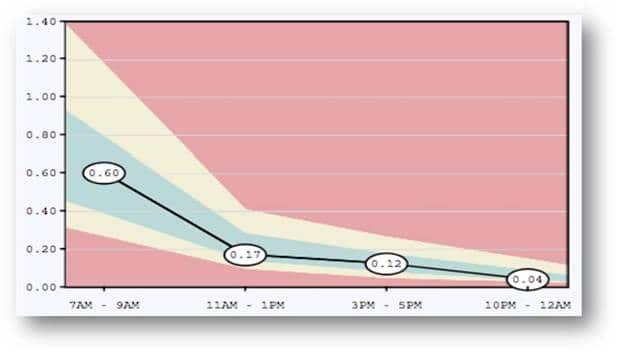
Cortisol is produced by the adrenal glands and helps your body respond to stress. It also plays a key role in managing metabolism, blood pressure, and the immune system. Under normal conditions, cortisol follows a daily cycle, rising in the morning to wake you up and falling throughout the day, reaching its lowest levels at night to support relaxation and restful sleep.

However, when you’re under constant stress, your cortisol levels can stay high, especially at night, which throws off this natural rhythm. Elevated cortisol in the evening can prevent your body from winding down, making it harder to fall asleep and stay asleep. Over time, this can create a vicious cycle—lack of sleep raises stress, leading to even more cortisol production, which further disrupts sleep. High nighttime cortisol levels can also reduce deep sleep, the most restorative stage of sleep.

Trouble Sleeping vs. Insomnia: What’s the Difference?

It’s important to distinguish between general trouble sleeping and insomnia. Many people experience occasional sleep disruptions, whether it’s difficulty falling asleep, waking up frequently during the night, or feeling tired despite a full night of sleep. This is considered “trouble sleeping” and may be linked to temporary stress or lifestyle factors.

Insomnia, on the other hand, is a more serious, chronic condition. It involves persistent difficulty falling asleep, staying asleep, or waking up too early, despite having the chance to sleep. If your sleep problems are consistent and long-lasting, you may need to consult a healthcare professional to determine if you’re dealing with insomnia or another underlying condition.

Could Your Cortisol Levels Be Off?

If you’re experiencing any of the following symptoms, your cortisol levels might be out of balance:

  • Anxiety
  • Depression
  • Digestive issues, such as poor digestion or absorption
  • Elevated blood sugar or insulin resistance
  • Fatigue
  • High blood pressure
  • Insomnia or sleep disturbances
  • Irritability or anxiety
  • Low levels of DHEA, progesterone, estrogen, or testosterone
  • Memory loss, brain fog, or confusion
  • Night sweats
  • Osteopenia or osteoporosis
  • Sugar cravings
  • The Connection Between Cortisol and Sleep
  • Weakened immune system
  • Weight gain, particularly around the middle

When cortisol levels are elevated, it can interfere with sleep by:

Suppressing melatonin production: Melatonin is the hormone responsible for regulating sleep-wake cycles. High cortisol can reduce melatonin levels, making it difficult to fall asleep.

Increasing arousal: Cortisol elevates heart rate and blood pressure, making it hard for your body to relax.

Causing stress-induced insomnia: Chronic stress, which raises cortisol levels, is a common cause of insomnia.

How to Address Cortisol-Related Sleep Problems

If you think your cortisol levels may be affecting your sleep, it’s important to seek guidance from a healthcare professional. A doctor can evaluate your symptoms, perform tests, and recommend appropriate treatments. Dr. Beth Bartlett, for example, can help assess your cortisol levels and develop a plan tailored to your needs.

The Functional Medicine Approach to Sleep

Dr. Beth uses a functional medicine approach which can be especially helpful in managing cortisol imbalances. Instead of just addressing symptoms, functional medicine looks for the root cause of health issues. To balance cortisol levels and improve sleep, you might be advised to make lifestyle changes such as improving your diet, practicing stress management techniques like mindfulness or yoga, and taking supplements that support adrenal health.

Take Control of Your Sleep

Quality sleep is essential for good health, and cortisol imbalance could be standing between you and a restful night. By addressing the root causes of your sleep issues, such as cortisol levels, you can improve your overall well-being. If you’re struggling with insomnia or other sleep problems, consider consulting with a functional medicine practitioner to explore a holistic approach to better sleep.

Contact us today or schedule an in-person or online consultation to start your journey toward more restful, rejuvenating sleep.

initially posted July 2017